Style & wardrobe / A closer look
A Minimalist Outfit Under $150: A Practical Budget and Fit Plan
Plan a simple outfit around a $150 delivered budget. Start with clothing you own, allocate the remaining cost and check exact sizes, fabric and seller terms.
Start here
A $150 outfit is a budget to work within, not a guaranteed shopping basket. Reuse suitable items first, reserve room for tax and delivery, and compare the current price of each exact size before committing.
As an Amazon Associate, we earn from qualifying purchases. How our links work ↗
A $150 outfit is a budget to work within, not a guaranteed shopping basket. Reuse suitable items first, reserve room for tax and delivery, and compare the current price of each exact size before committing.
As an Amazon Associate, we earn from qualifying purchases. This is a researched guide, not a claimed hands-on test. How product links work.
Start by deciding what needs replacing
Open the wardrobe before opening a retailer. Pick a top, a layer, trousers and shoes that you would actually wear together. Note which parts fit, which need repair and which are missing. If you already have suitable shoes, buying another pair may be the least useful way to spend a small budget. A capsule is a set of compatible clothes, not a rule that every item must be new.
Write down the setting you need to dress for: an ordinary office, working at home, commuting or weekends. Weather and dress requirements matter. The same outfit cannot be assumed suitable for every workplace or season. Choose a modest set of jobs and judge each purchase against them rather than against an idealized image of someone else's routine.
Define what the $150 includes
Treat $150 as your delivered spending limit if that is the amount available. Reserve room for tax, shipping and any unavoidable alterations before assigning money to clothing. A basket that totals $149 before those costs has not met that limit. If prices differ across colors or sizes, use the version you will actually buy in the calculation.
For illustration, you could reserve $15 for purchase-related costs and have $135 left for the items themselves. That is an arithmetic example, not a price quote or a claim that a particular set of products is available for that amount. Your location and existing wardrobe determine how much should go to each remaining piece. Keep that distinction visible while shopping.
Buy the piece that fixes the largest gap
If a pair of trousers no longer fits, solve that before adding a cap or another sweatshirt. If the shoes you wear daily are worn out, they may deserve most of the budget. An accessory can change an outfit, but it does not compensate for an uncomfortable or unsuitable foundation. Prioritizing one good replacement can be more useful than spreading money across four unnecessary items.
Check repair and alteration options where relevant. Replacing a fastening or adjusting a hem may let you keep an item that already fits well elsewhere. Do not assume that repair is always cheaper; compare the actual quote and likely result. The point is to consider the existing piece as a real option before treating shopping as the only route.
Compare tops by actual garment measurements
For a tee or work shirt, measure an existing garment you like using the same points as the seller's chart. Chest width laid flat is not the same measurement as your body circumference. Body length, shoulder position and sleeves affect the result as well as the letter printed on the label. Fit descriptions such as Loose or Slim can vary between brands.
Carhartt K87 is one documented loose-fit pocket-tee option. Dickies 1574 is a work-shirt option with a different shape and job. Neither is automatically the cheapest or the correct fit. Check the exact reference and the composition of the selected color. Use the product pages to understand the item, then compare the current seller offer with your measurements and budget.
Treat layers as a climate decision
A hoodie can be useful for a cool commute or indoor spaces, but it may spend much of a warm day in your bag. Decide whether you need a sweatshirt, light overshirt or outer jacket before comparing fabric weights. A heavier fabric does not automatically mean better value if it makes the item unsuitable for most of your week.
If you investigate Carhartt K121, read its current Midweight and Loose Fit details rather than assuming it is a boxy heavyweight cotton hoodie. Inspect color-specific composition and care instructions. Do not confuse a crew-neck sweatshirt reference with a hooded reference simply because a marketplace title groups similar products together. Match the exact garment shown at checkout.
Give trousers more than a waist-size check
Measure the waist and inseam you need, then consider rise, seat, thigh room and the leg opening. A familiar waist number does not establish the whole fit. Original Dickies 874 is an identifiable straight-leg work-pant route, but its cut and fabric feel may suit someone differently from a stretch chino or jeans. Compare those differences with your normal day.
Think about sitting, moving and the way the trouser meets your shoes. Check the exact inseam and whether alterations would consume part of the budget. A small discount can disappear if the chosen size needs extra work or cannot be exchanged on acceptable terms. Make a fit decision before deciding that a particular price is a bargain.
Keep footwear tied to the intended use
Use the shoes that fit your actual walking, work and weather requirements. Do not assume that a thin sole provides no support or that a thicker one guarantees comfort. Foot shape, upper fit, flexibility and use all matter. A style that looks coherent in a photo is still the wrong choice if you cannot use it comfortably.
If new footwear would consume the whole budget, consider whether the other pieces can wait. Trying shoes with the socks you normally wear and understanding the return conditions may be more useful than buying the visually closest pair. There is no universal price below which shoes fail after a fixed number of months, and no review-count threshold that proves a pair will fit you.
Use color and care to make fewer pieces work
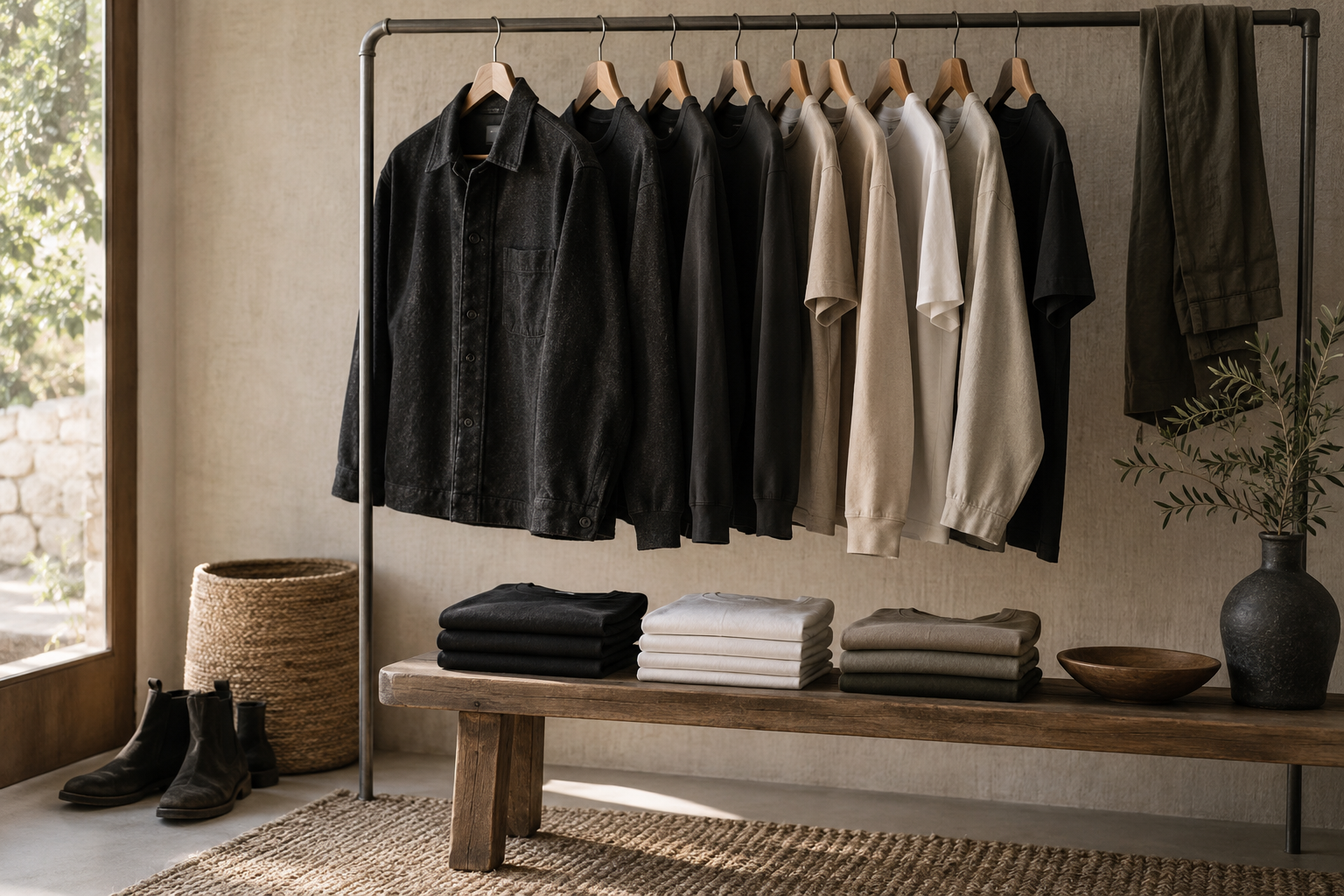
Choose colors that work with at least two things you already own. Neutral shades can make that easier, but a consistent palette does not require every item to be black or gray. Check the actual color name and product photograph, especially where the seller combines several versions. A wardrobe illustration is inspiration, not evidence of the delivered shade or fabric.
Read care labels before committing. Consider how you normally wash and dry clothing and whether the new item requires a routine you can maintain. We do not promise that a laundry habit triples garment life or prevents all fading and shrinkage. Keep the guidance specific to the item, and measure changes when you need evidence rather than relying on an unsupported durability claim.
Finish with a real basket check
Before checkout, list each selected item, size, color, quantity and delivered cost. Add tax, shipping and planned alterations. Remove anything that duplicates a working piece or pushes the complete purchase beyond the limit. The shopping links below are separate options to compare; they are not a verified combined-price offer.
Confirm the seller, condition and return terms for every line. We do not guarantee free delivery, size exchanges, authenticity or a particular warranty for a marketplace listing. A useful $150 plan leaves you with clothing that fits your routine and your budget. It does not need an invented review sample, a luxury comparison percentage or a promise that everyone should buy the same four pieces.
Questions before you choose
Are the linked pieces guaranteed to total less than $150?
No. They are separately identified options. Check the current selected sizes, tax and delivery against your own budget. You may need to keep existing footwear or choose fewer new items.
Does paying more only buy a brand name?
No. Construction, fit, materials, repair options and service can differ. This guide does not claim that a budget outfit provides a measured percentage of a more expensive outfit’s quality.
Specific options to investigate
These are individual options, not a promise of compatibility, personal fit or a combined-price offer. Amazon search results may include other versions. Confirm the exact reference after opening a link.
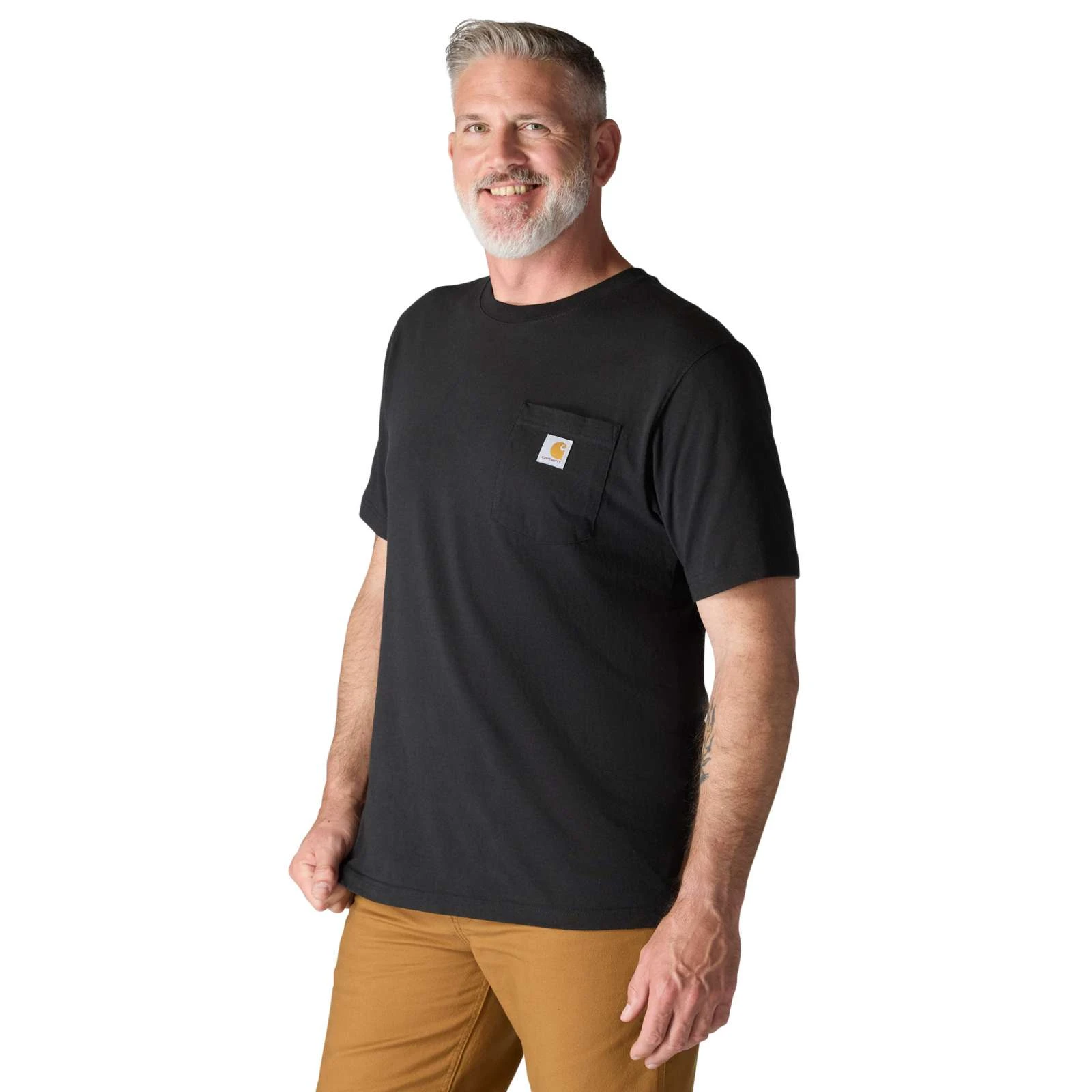
Carhartt K87 Pocket T-Shirt
The loose fit is the point: room through the body rather than a fitted undershirt silhouette.
The tradeoff: A familiar letter size may fit differently from your other T-shirts. Colorways can change composition.
Check first: Compare garment measurements with a tee you like; confirm K87, Regular or Tall and the selected fabric.
Find the exact model on Amazon ↗ Product information and image: Carhartt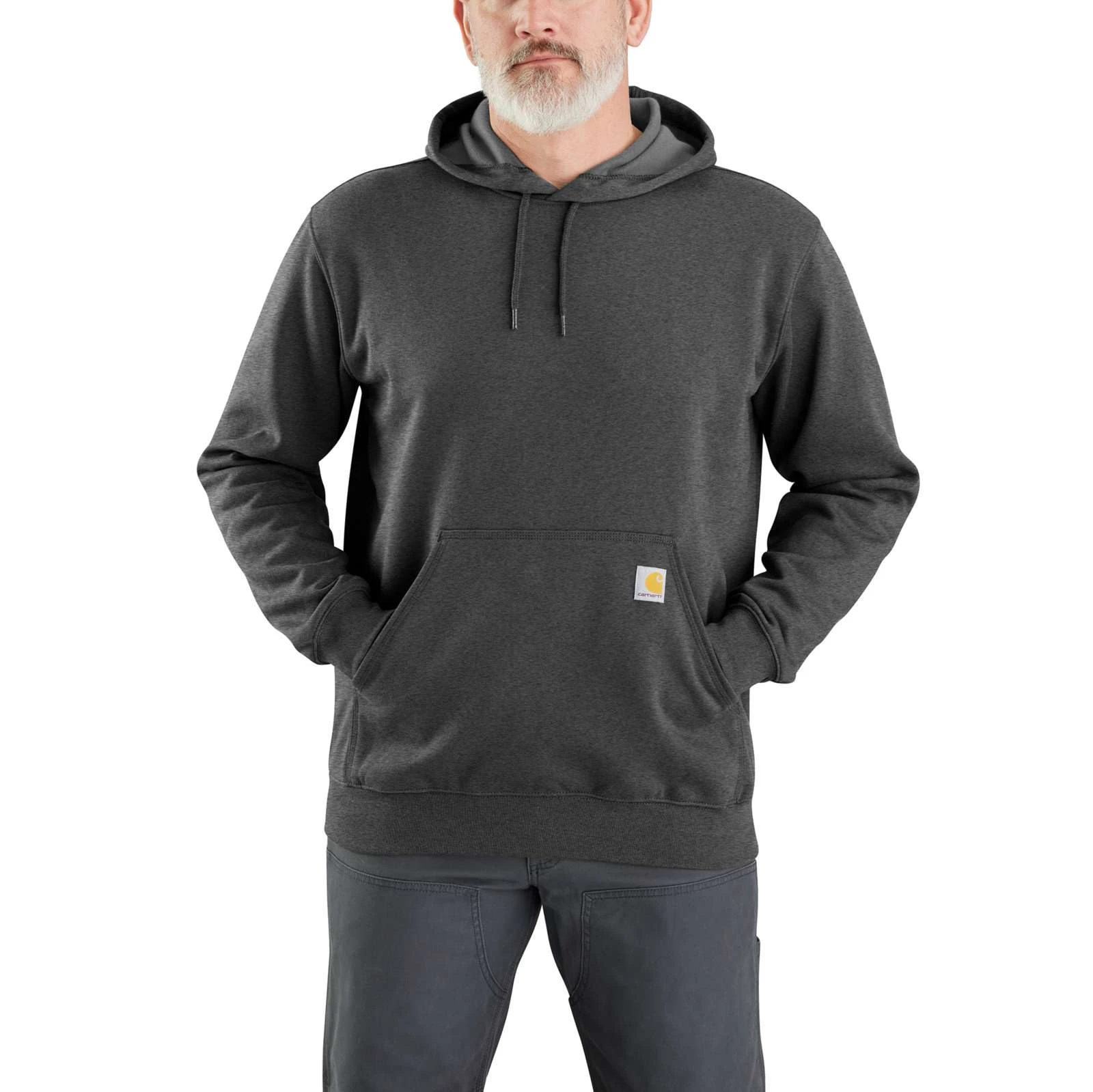
Carhartt K121 Midweight Hoodie
The midweight format fits a different role from a thin tee or a bulky outer jacket.
The tradeoff: Loose Fit and color-specific fabric blends need checking; this is not a rain jacket.
Check first: Measure over your usual base layer and confirm K121, the exact color, size chart and care label.
Find the exact model on Amazon ↗ Product information and image: Carhartt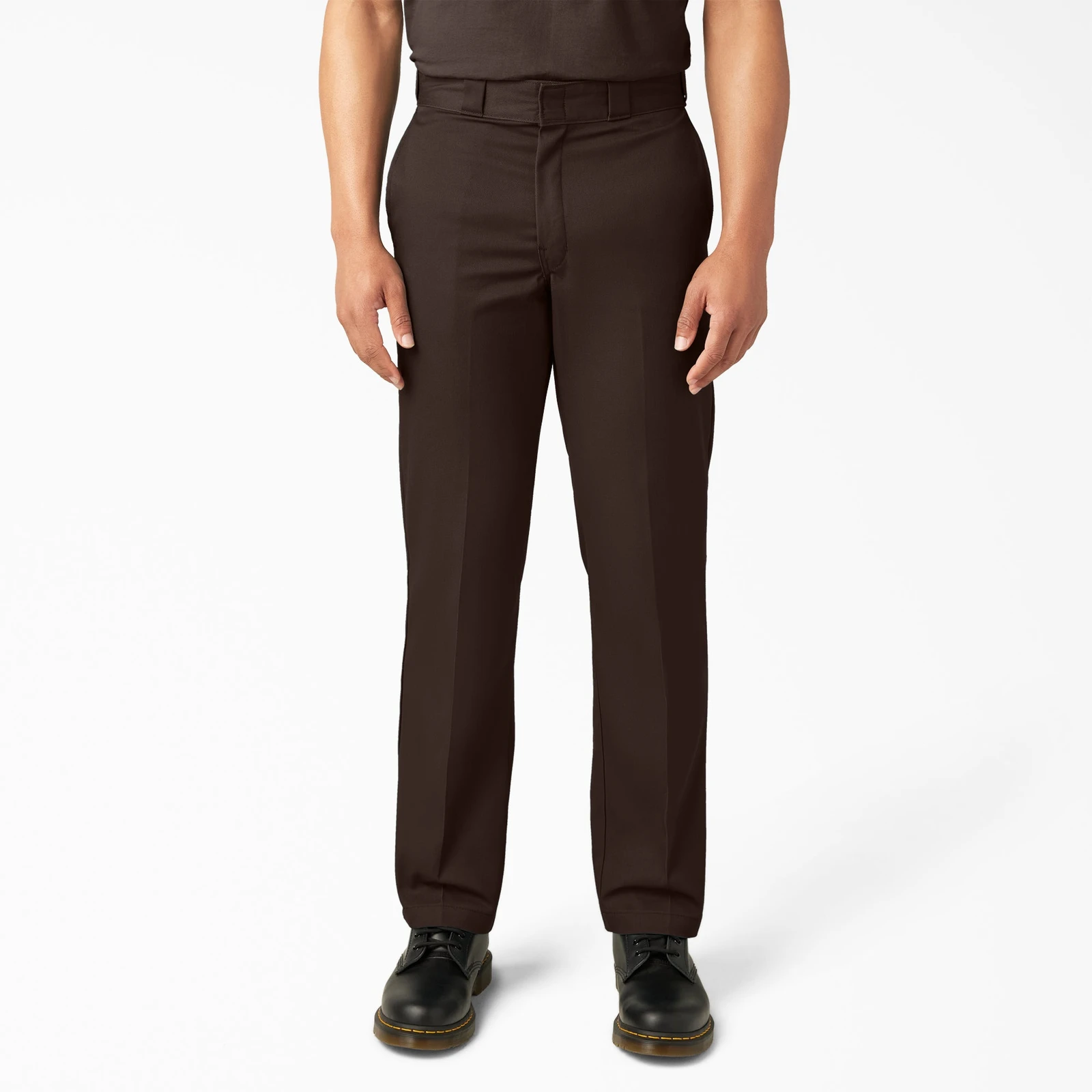
Dickies Original 874 Work Pants
The straight-leg cut makes an uncomplicated partner for a tee or work shirt.
The tradeoff: Fit at the waist and seat matters more than the familiar size number. Stiffness is part of the appeal.
Check first: Check 874, actual waist and inseam, the selected fabric and return terms. Do not assume denim sizing transfers.
Find the exact model on Amazon ↗ Product information and image: Dickies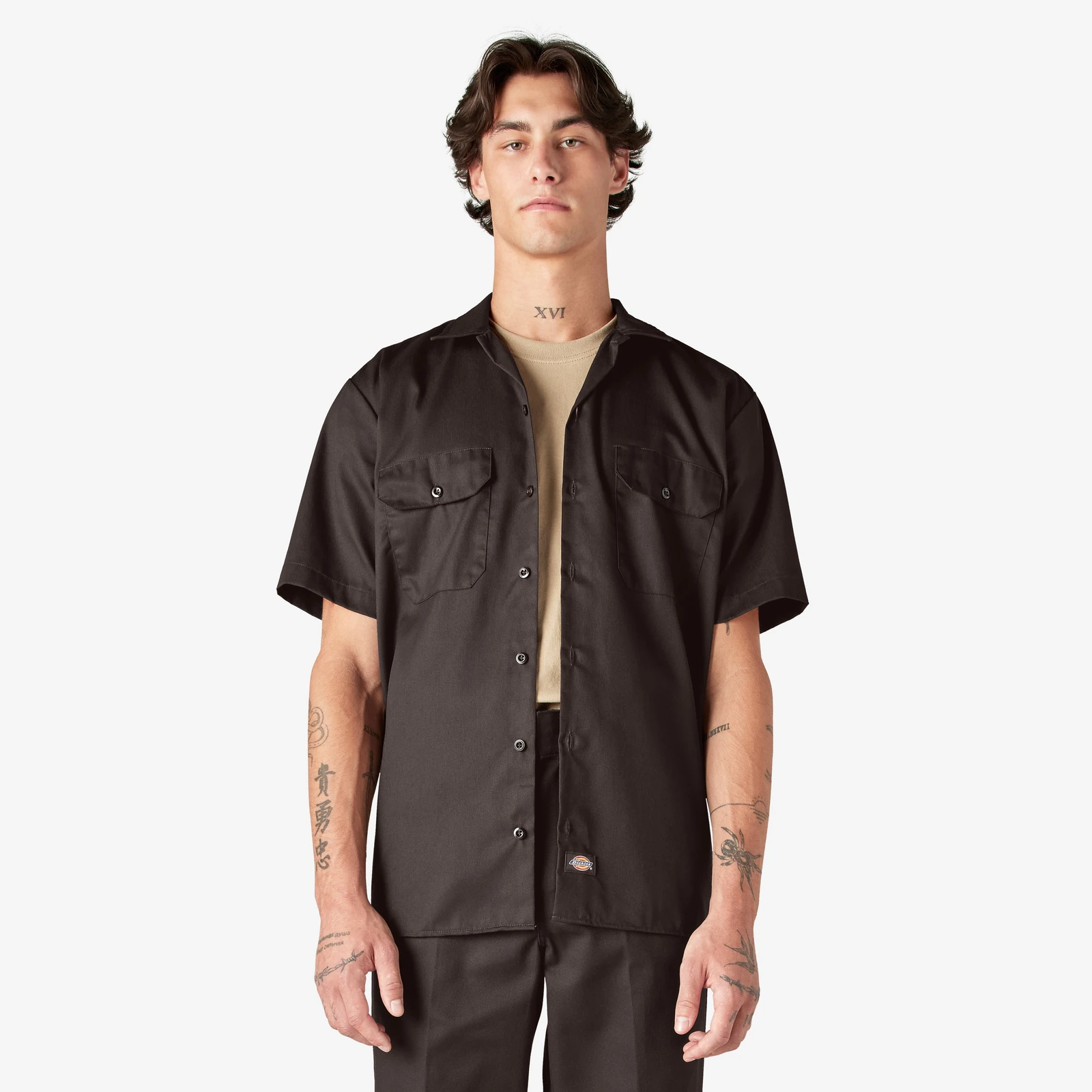
Dickies 1574 Work Shirt
The two-pocket layout and straightforward cut keep casual outfits easy to put together.
The tradeoff: The workwear cut can be roomier than a fitted casual shirt. Fabric feel may not suit hot, humid days.
Check first: Match 1574 and sleeve length. Check chest, shoulder and body-length measurements over your intended base layer.
Find the exact model on Amazon ↗ Product information and image: DickiesThe retailer sets price, stock, delivery and returns. Check those terms for the selected seller before buying.
Sources and research method
Updated November 7, 2026 using the published manufacturer information and practical buying analysis. We do not claim ownership, a wear trial, a laboratory measurement or a representative customer-review sample. Published specifications and manufacturer battery or water-resistance ratings describe stated conditions; they are not independent measurements from this publication.
- Carhartt: K87 pocket T-shirt
- Dickies: Original 874 work pants
- NextGen: measuring a T-shirt ↗
- NextGen: cotton versus polyester blends ↗
Exact references, software, colorways and seller packages can differ. Images identify their manufacturer or illustration status. Send a correction with the page URL, reference and supporting source.
Continue with the question you have
The next good question
Keep exploring.
 Read the story ↗
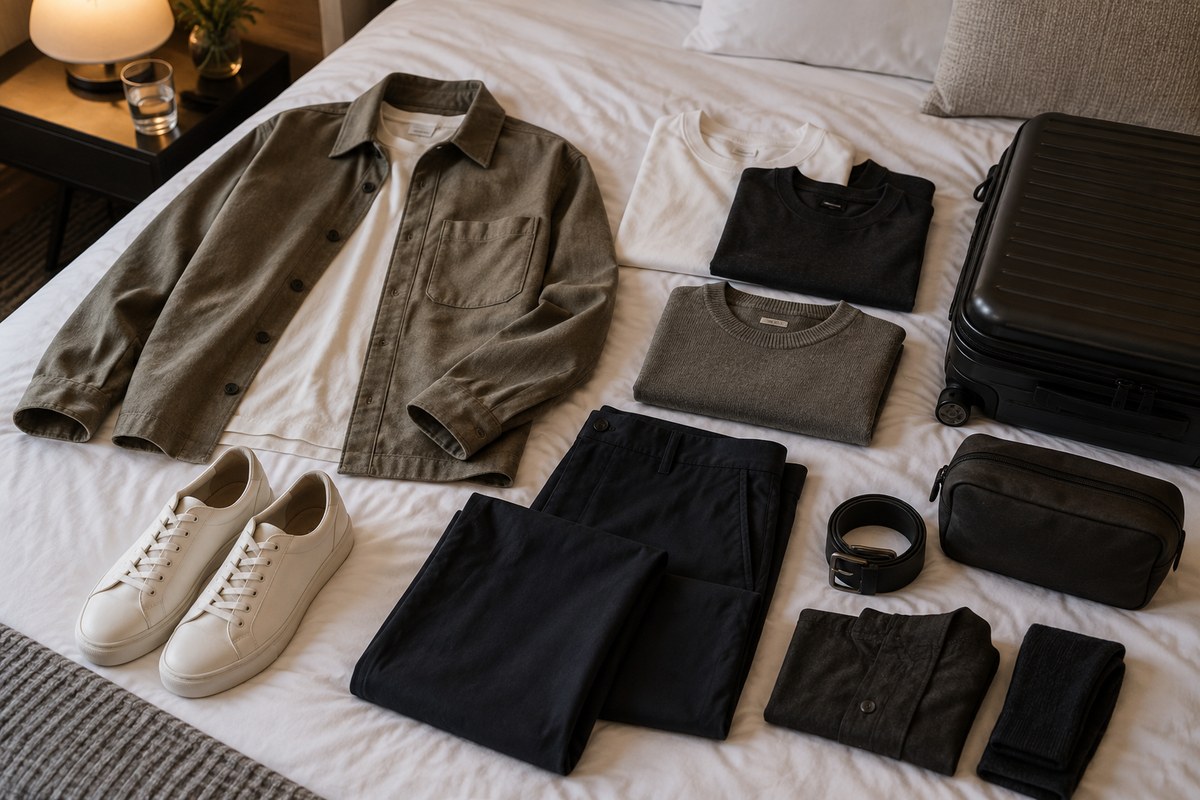
Men’s Travel Capsule Wardrobe: A Practical Packing List for a Week
A useful one-week travel capsule starts with the weather, activities and laundry access, then repeats a small set of compatible colors. A practical baseline is two trousers, one optional short, four or five tops, one versatile outer layer and two shoe choices. Adjust for formal plans, climate and baggage limits rather than packing a fixed internet checklist.
 Read the story ↗
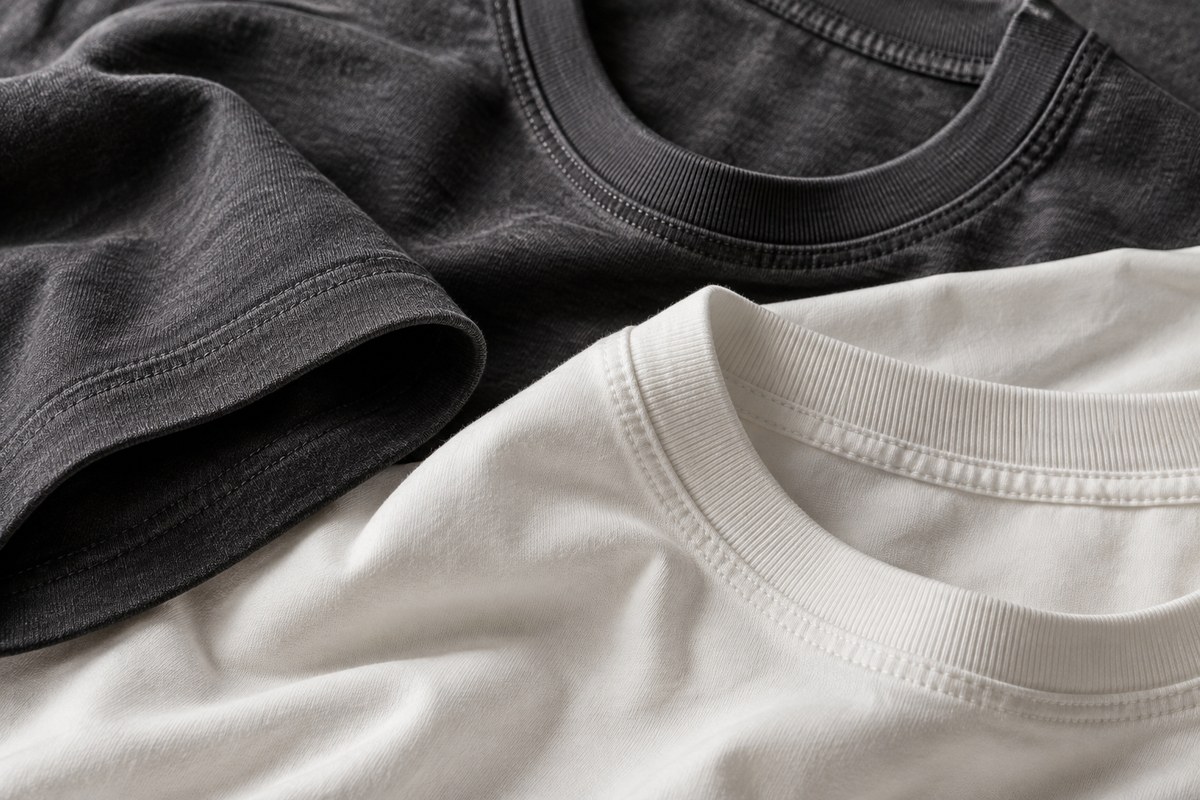
Best Heavyweight T-Shirts Under $40: Fabric, Fit and Value Guide
A heavyweight T-shirt can drape cleanly and feel substantial, but GSM alone does not guarantee quality or comfort. Under $40, compare fabric weight, cotton type, shrinkage guidance, collar construction, fit measurements and return policy. Choose a shirt that suits your climate and layering habits rather than treating the thickest fabric as automatically best.
 Read the story ↗
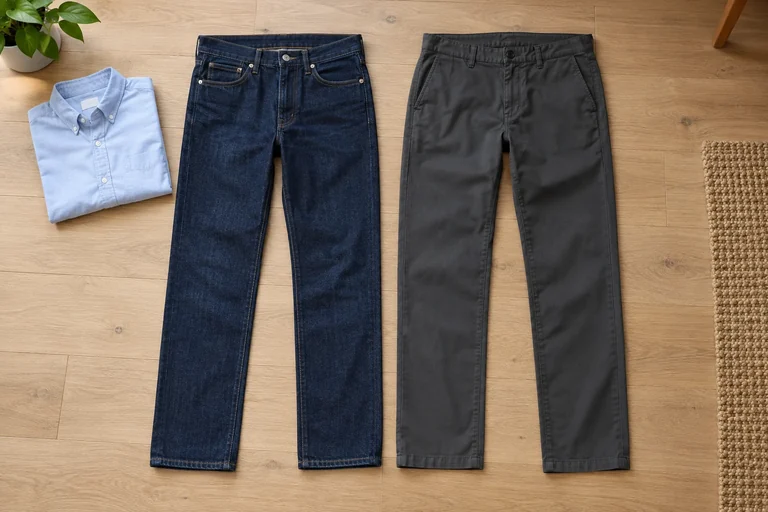
Jeans or Work Pants for the Office? A Fit-First Buying Guide
A neat trouser that feels wrong after ten minutes is not a good office buy. Start with how you sit, move and dress, then choose the fabric.