Watches / A closer look
Seiko 5 Sports vs Invicta Pro Diver: What Are You Really Paying For?
Two familiar affordable automatics, two different personalities. The useful comparison starts after you stop counting specification wins.
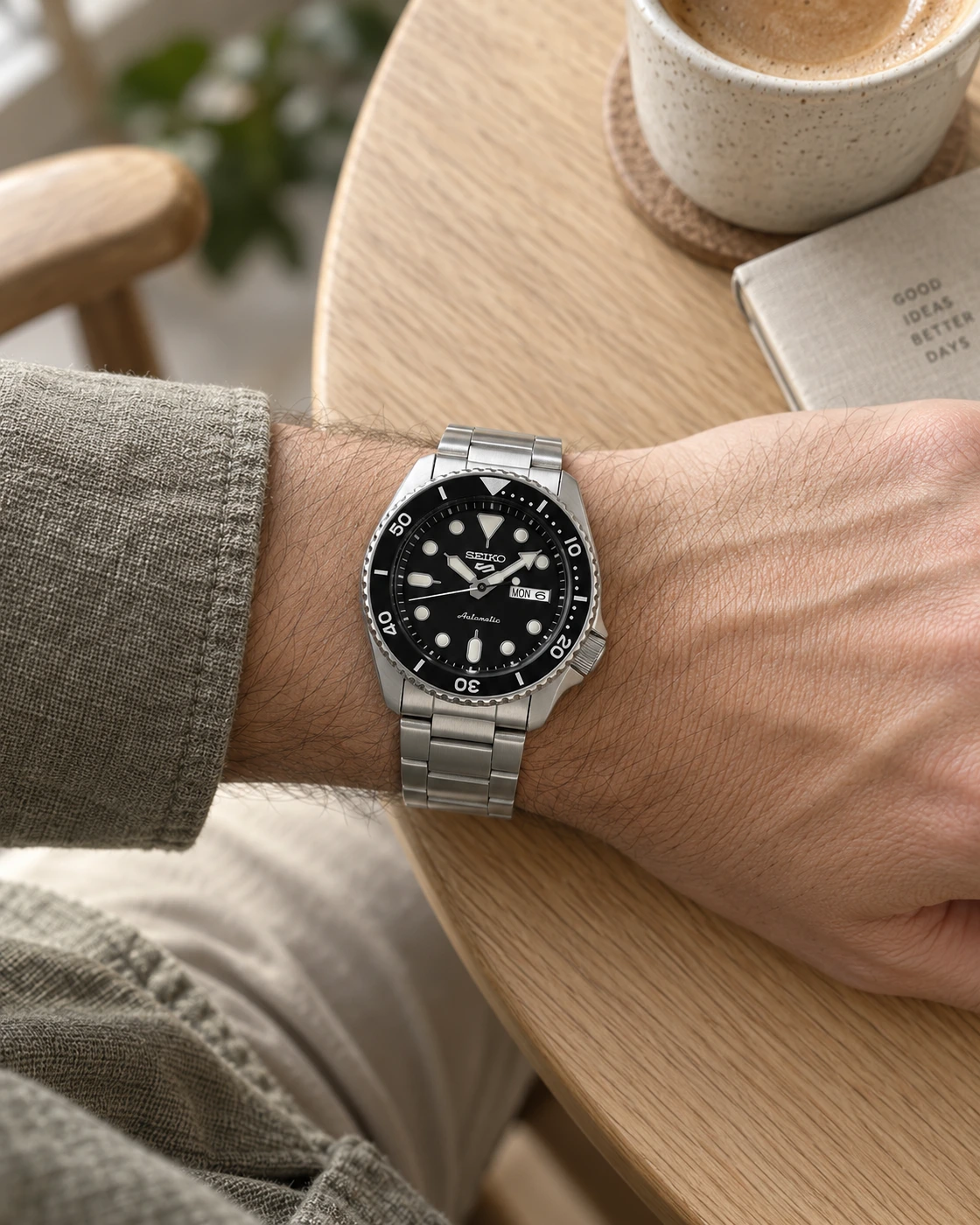
Start here
The useful answer
As an Amazon Associate, we earn from qualifying purchases. How our links work ↗
The useful answer
Choose the SRPD55 for its Seiko 5 identity, day/date display and particular case design. Investigate the 8926OB if a smaller traditional diver-style automatic is the brief. Neither wins for every wrist, and a water-resistance number alone does not establish suitability for diving.
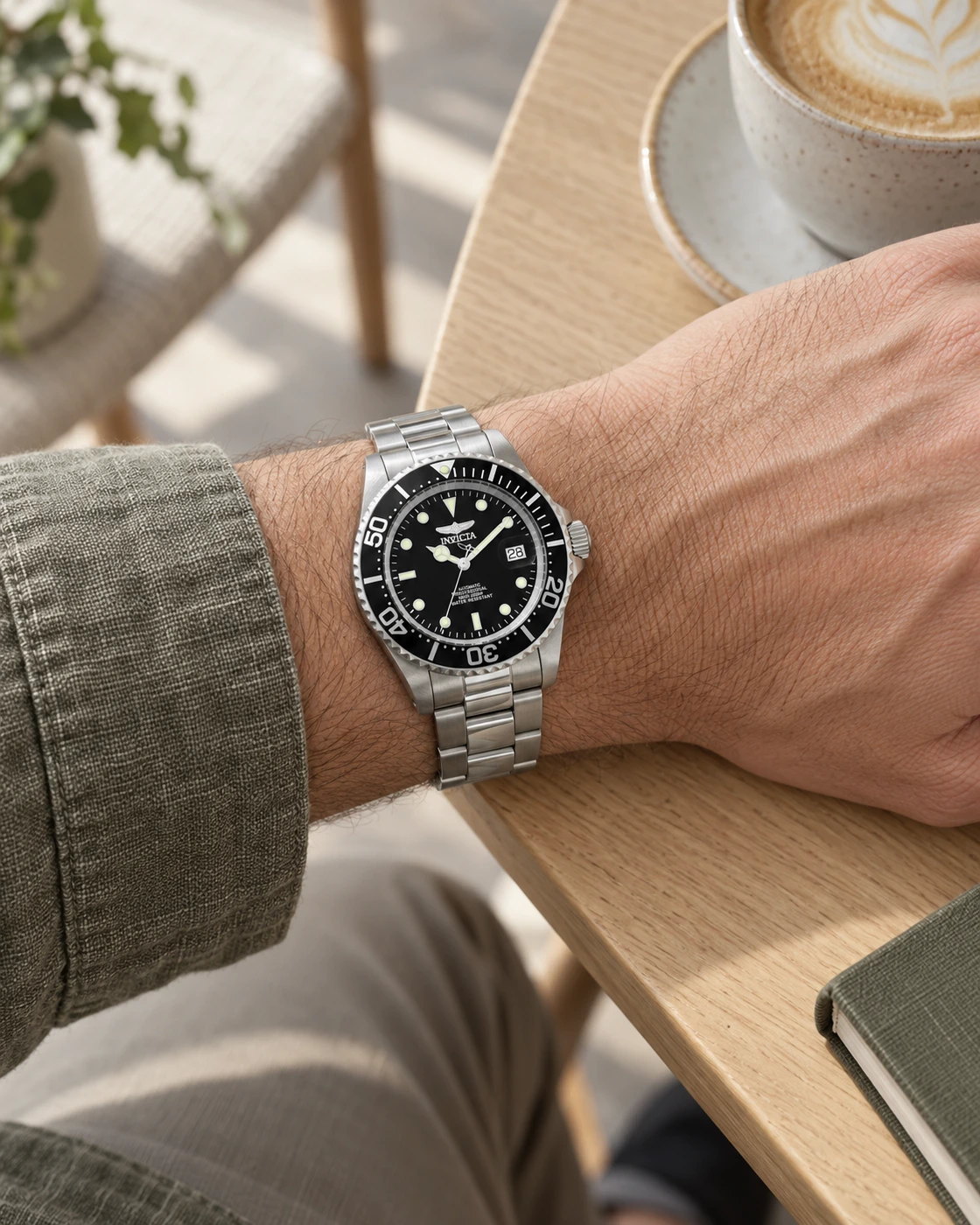
| Published detail | Seiko SRPD55 | Invicta 8926OB |
|---|---|---|
| Case diameter | 42.5 mm | 40 mm |
| Movement | 4R36 automatic | TMI NH35A automatic |
| Calendar | Day and date | Date |
| Crystal | Hardlex | Mineral |
| Water-resistance specification | 10 bar | 200 m |
| Strap width | 22 mm | 20 mm |
Put a Seiko 5 Sports beside an Invicta Pro Diver and the internet usually starts a fight before anybody measures a wrist. One side talks about heritage. The other points at the price. Somebody mentions a movement, somebody else mentions a logo, and the person who simply wanted a first automatic leaves with more opinions than answers.
There is a better comparison to make. The Seiko SRPD55 and Invicta 8926OB can appeal to the same shopper while solving different parts of the brief. This is a researched buying comparison, not a claim that we have timed, pressure-tested or worn both watches. The aim is to help you understand what to investigate before a low price or a familiar name makes the decision for you.
Compare two references, not two entire brands
The names Seiko 5 and Pro Diver cover too much ground to function as precise buying instructions. Dial colors, bracelets, movements and case dimensions can differ across a range. Our comparison uses the black-dial Seiko SRPD55 and the black-dial Invicta 8926OB on steel bracelets. A photograph of a similar watch is not enough to confirm either reference.
This matters when you move from an article to a retailer. A variation selector may change the product while leaving much of the page looking familiar. Copy the reference into your notes, inspect the selected color and check the movement description. If a listing combines several references or contradictory photographs, ask the seller rather than guessing. Saving a little money is less satisfying when the wrong watch arrives.
What the published specifications actually say
Seiko specifies a 42.5 mm case, 46 mm lug-to-lug length, 13.4 mm thickness, Hardlex crystal, 22 mm lugs and 10 bar water resistance for the SRPD55. Its 4R36 offers manual winding, a stopping seconds hand, day/date and approximately 41 hours of reserve. Invicta’s European model page lists the 8926OB with a 40 mm case, 20 mm bracelet width, mineral crystal, screw-down crown, 200 m rating and TMI NH35A automatic movement.
Those details give the comparison a factual starting point. They do not tell you which clasp will sit best on your particular wrist or how a seller will handle a return. Treat the table as a map of questions rather than a scoreboard. A watch can win several specification rows and still be the one you stop wearing after a week.
The smaller diameter may be the bigger practical difference
A few millimeters sounds trivial until a case sits across the top of your wrist. Diameter changes the visual presence, but it is not the whole fit story. Case shape, lug length, the way end links extend and the thickness under a sleeve can all change how large a watch feels. A round number in a listing cannot replace looking at the complete outline.
Try a simple paper exercise. Draw both stated diameters on a piece of card, cut them out and place each on your wrist. This will not reproduce the actual wearing experience, but it reveals whether one size is obviously outside your preference. Then compare lug-to-lug information and ordinary wrist photographs. If you already own a comfortable watch, use its measured dimensions as your reference instead of an influencer’s wrist.
The movement connection is real, but easy to overstate
Affordable automatic-watch discussions often reduce a purchase to the movement inside. It is understandable: a mechanical movement feels like the expensive part, and a shared family connection seems to promise a shortcut to value. Yet the rest of the watch determines how you set it, wear it, read it and live with it. An engine is important without being the entire car.
The day display is a tangible difference here. Some people enjoy seeing the weekday; others prefer a simpler date-only dial. Decide which you will use rather than assuming that an extra calendar indication is automatically better. For operating instructions, follow the manual for the actual movement and avoid forcing a calendar mechanism during its changeover period. Our movement guide explains why a family resemblance should not become a claim of identical finished watches.
Automatic ownership is a habit, not a free upgrade from quartz
Either watch asks you to accept the normal rhythm of a mechanical automatic. If it runs down, you need to restart it and set the time and calendar. If you rotate several watches, this may happen regularly. Some owners enjoy that small ritual. Others discover that what they really wanted was a watch that is always ready when they leave the house.
Before choosing between these two, decide whether you want an automatic at all. Imagine a Monday morning when you are late and the watch has stopped. Does setting it sound pleasant or irritating? There is no enthusiast exam to pass. A quartz or light-powered watch can be the better choice for an infrequent wearer. Mechanical interest is a good reason to buy, but convenience should not be assumed.
A diver-style appearance is not your water-use instruction
A rotating bezel and a sporty dial invite the word diver. The important buying distinction is between appearance, the stated resistance and the use conditions in the manufacturer’s instructions. Do not turn a rating printed on a dial into permission for every activity. A crown left incorrectly secured or an aging seal changes the practical situation regardless of what an old specification sheet says.
If you actually need a watch for underwater use, investigate the precise model’s guidance and suitable certification rather than treating this comparison as diving advice. For ordinary ownership, think about the situations you can realistically avoid: operating controls in water, exposing a watch to unsuitable conditions or assuming a used example still performs like a new one. More confident shopping starts with an honest description of the job.
Crystal discussions need a little perspective
The crystal is easy to compare because the material gets a short label. Living with it is less tidy. A clear surface matters, scratches can be annoying and replacement costs may influence long-term ownership. None of that means every buyer needs to optimize the crystal before considering fit or the dial. A watch that stays in a drawer has a wonderfully undamaged crystal and very little practical value.
Think about how you damage things. A desk worker who frequently brushes a metal laptop edge has a different routine from someone doing rough manual work. Consider whether a protective habit or a different watch category would help more than arguing about material names. We have not performed scratch tests on these watches, so there are no invented hardness experiments or dramatic damage photographs standing in for evidence.
Bracelet sizing is part of the purchase
Online photographs tend to show the bracelet perfectly arranged around an invisible wrist. Your bracelet needs links removed, a clasp positioned and enough adjustment for the way your wrist changes during the day. A bargain can become less convenient if you have no suitable tools, no nearby help or no clear return route after sizing.
Ask whether the seller supplies all original links and whether the watch is new, returned or previously resized. Budget for competent sizing if you are not comfortable doing it yourself. Keep removed links in a labeled bag. These ordinary steps affect the ownership experience more than many arguments about brand status, especially when the watch is your first bracelet model.
Design identity is a legitimate part of value
The Seiko and Invicta do not tell exactly the same visual story. You may prefer the Seiko case and calendar arrangement, or you may want the more conventional proportions of the Invicta. You are allowed to care. A watch is something you look at repeatedly, so appearance is not an embarrassing extra to be justified after the technical discussion.
What is less useful is borrowing somebody else’s embarrassment. If a logo bothers you every time you look at a dial, the lower price may not rescue the purchase. If it does not bother you, an online stranger’s disapproval should not become a hidden tax. Separate your actual taste from a fear of making the wrong choice in a discussion you never needed to join.
Ignore the discount theatre and compare the real offer
A large percentage off an ambitious reference price can make a watch look urgent. The useful figure is what you would actually pay today for the exact configuration from a seller you are willing to use. Add delivery, applicable taxes, sizing and any accessories you genuinely need. Then compare that total with alternatives that are actually available to you.
Do not use a historic bargain as the standard every current offer must meet. Prices move, promotions end and sellers differ. Equally, do not let a countdown badge replace a decision you have not finished making. We avoid fixed Amazon prices here because the offer can change between reading and checkout. The Shop cards provide the selected model and buying checks before you open the retailer.
The seller can matter more than a small price difference
For either watch, establish who is selling, who fulfils the order and who provides the warranty. These are not always the same company. Read the conditions that apply to your destination, especially with imported watches. A familiar marketplace page is not a guarantee that every offer on it has identical support or return arrangements.
Keep the listing reference, receipt and any written seller answers. When the watch arrives, check the model, dial, bracelet and basic operation before removing protective material or sizing the bracelet where the return terms restrict that. The aim is not to become suspicious of every seller. It is to avoid leaving the most important purchase details until after you have an object you cannot easily return.
Three buyers, three different answers
Consider a first buyer who loves the Seiko shape and wants the day display. Paying more may be entirely reasonable if that preference means the watch gets worn for years. A second buyer wants an inexpensive, conventional-looking automatic and has already confirmed that the smaller case suits the wrist. That person has a clear reason to investigate the Invicta rather than being steered by heritage alone.
A third buyer wants something to grab once a month without setting it. The best answer may be neither. That buyer should look at the quartz and light-powered options in the collection before committing to a mechanical routine. A comparison becomes more useful when it allows a third answer. Forcing every reader into one of two products is easy sales copy, but it is not particularly helpful buying advice.
A practical inspection when the watch arrives
Start in good ordinary light. Confirm the reference and selected color, look for visible damage and check that the bracelet contains the expected links. Read the operating instructions before experimenting with the crown. Set the watch carefully, observe whether the calendar behaves as described and note any concern while the return period is still open.
If you monitor timekeeping, compare it over several normal days against a reliable reference and record how you used it. A short observation is not a laboratory measurement, and an unusually good or bad day does not establish the whole model’s performance. If something seems wrong, contact the seller or manufacturer with a clear record. Avoid opening or regulating a new watch simply because an online tutorial makes it look easy.
A strap change should improve a choice, not rescue the wrong one
It is easy to imagine that a different strap will transform an uncertain purchase into the perfect watch. Sometimes a strap does make a useful difference, but it cannot change the case dimensions, dial or ownership routine. Before ordering a watch with immediate modification plans, ask which part of the original product you actually want to keep.
If you already know the case fits and simply prefer fabric or leather, check the correct attachment width, hardware and suitable length. Keep the original bracelet and links together. If the main problem is that you do not like the watch itself, spend the accessory budget on a better initial choice instead. A lower purchase price is less meaningful when several extra orders are needed to make the object tolerable.
This also keeps the comparison honest. Compare the watches as sold first, then compare any realistic finished configuration you intend to create. Include the cost and effort of that change. The watch you eventually wear may be a great personal combination, but the review of the original product should not quietly assume that every buyer will build the same one.
Which one would we put on a shortlist?
We would shortlist the SRPD55 when its particular design and day/date arrangement are the reason for buying. We would investigate the 8926OB when a smaller traditional automatic and the actual delivered offer make sense together. In both cases, the wrist, the seller and the ownership routine have to agree. A winning specification cannot compensate for a purchase that fails those three checks.
Follow the product cards below to inspect the selected references, then compare current offers without treating this article as a promise of a specific discount. If the mechanical idea appeals but neither design feels right, our first automatic buying guide gives you another route. The point is to buy a watch you want to wear, not to win the comment section with a receipt.
The questions worth asking
Before you decide.
Is the Seiko SRPD55 a direct replacement for an SKX dive watch?
Do not assume that from the case resemblance. Compare the exact water-use instructions, crown construction and certification of each reference.
Are the movements identical?
No. The SRPD55 uses Seiko’s 4R36 with day/date; the selected 8926OB is listed with a TMI NH35A and date. Related architecture does not make the finished watches identical.
Should I buy whichever has the larger discount?
Compare the actual delivered price and seller support. A discount from an ambitious reference price does not establish good value.
Featured in this guide
The next good question
Keep exploring.
 Read the story ↗
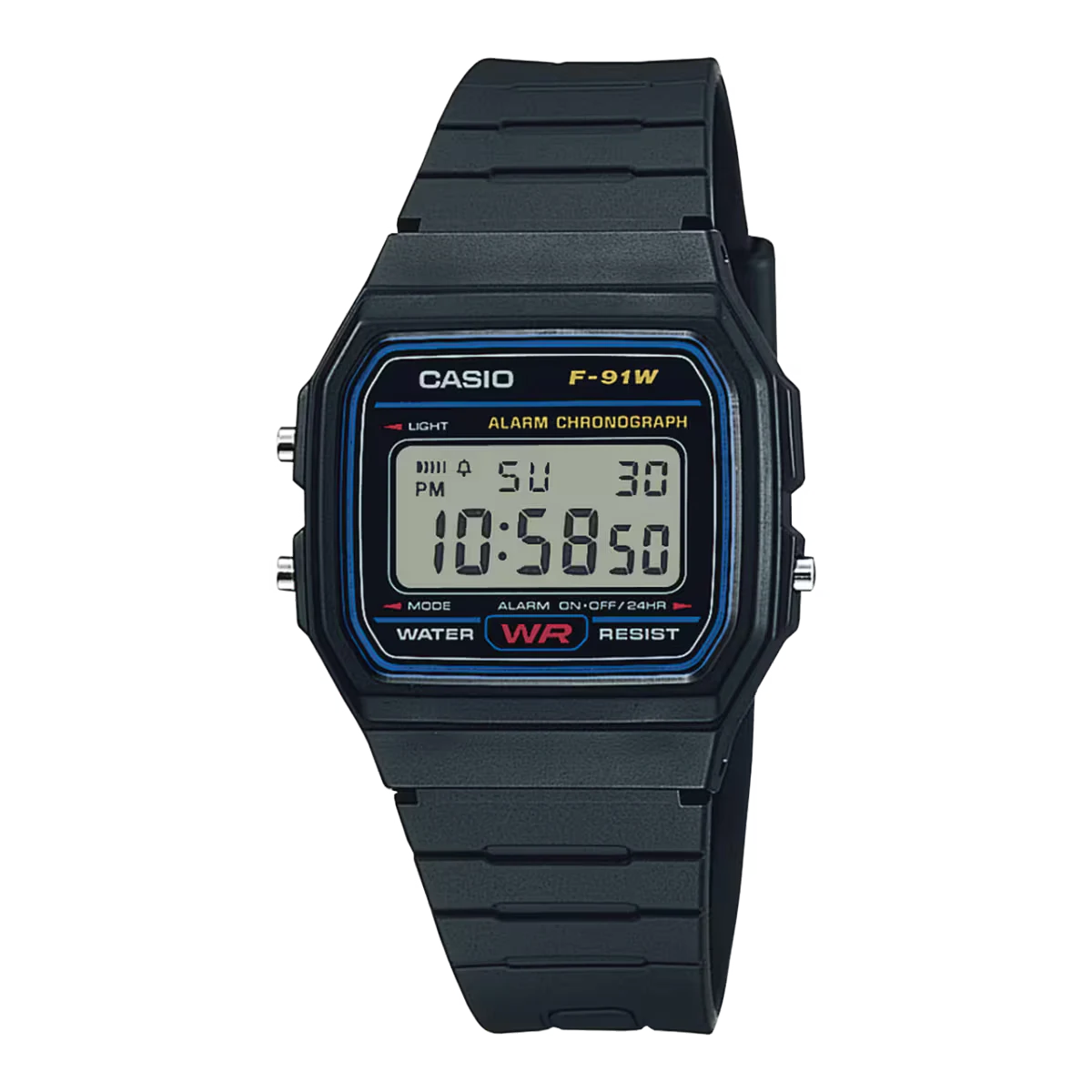
Casio F-91W vs A158WA vs AE-1200 vs A168: Which One Fits?
Compare four classic Casio digital watches by size, display, everyday features and use case, with official specifications and clear trade-offs.
 Read the story ↗
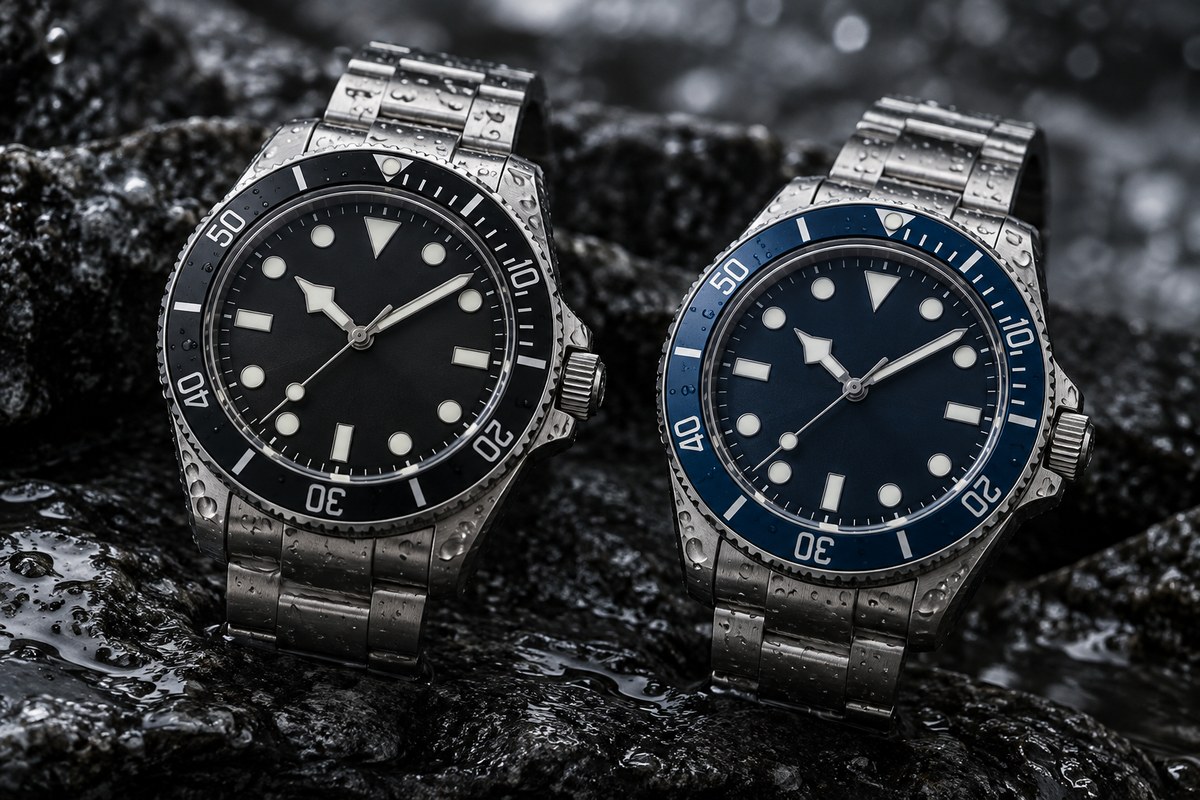
Seiko 5 vs Orient Kamasu: Compare Use, Fit and Water Rating
Seiko 5 and Orient Kamasu are not one-to-one alternatives: Seiko 5 covers a broad range of casual sports watches, while Kamasu references are more explicitly diver-style. Compare the exact case dimensions, crystal, water-resistance marking, movement, bracelet and price. Choose by intended use and fit, not by brand generalizations.
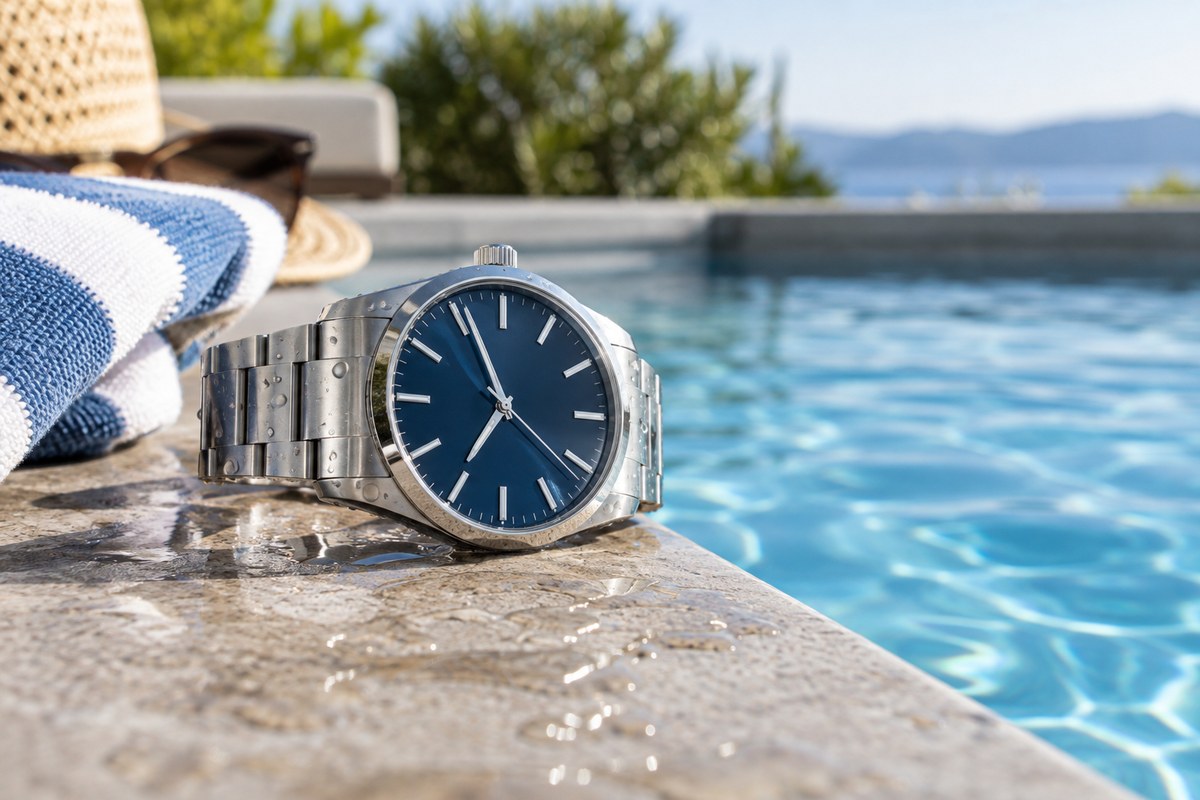 Read the story ↗
100m vs 200m Water Resistance: What Watch Ratings Actually Tell You
A 100m or 200m marking is a laboratory-rated pressure specification, not permission to dive to that depth in ordinary conditions. Use the exact manufacturer instructions, check crown and gasket condition, and distinguish everyday water resistance from a certified diver’s watch. The extra rating is useful margin, but it does not replace maintenance or correct use.